
The camera function of the iPhone, combined with the numerous food photo applications, has inspired iPhone owners to shoot more creatively, and often with a purpose. From everyday meals to gourmet creations, each dish is a click away from being noted in a photograph. iPhone app creators are tapping into the vast market of users… Continue reading Fun and Free iPhone Food Photo Apps
Category: Articles & Tutorials
Air Show Photography – Tips and Tricks
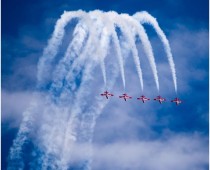
Air shows provide a host of interesting photograph opportunities for apprentice and seasoned photographers alike. The crowds, the speed, and the outdoor setting however pose a unique set of challenges. Follow these steps to take better pictures of air shows. Prepare your equipment Make sure that you have everything you need to make the shooting… Continue reading Air Show Photography – Tips and Tricks
Tips for Amazing Low Angle Shots

A low angle shot is taken at the base of, or below, an object. These shots are often visually interesting because it forces a perspective that is outside the ordinary. They bring back the grandeur and wonder of childhood’s prospective, and allow the photographer to get creatively involved in their subject. There are several ways… Continue reading Tips for Amazing Low Angle Shots
How to Add Emotion to Photographs
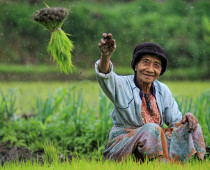
The thing that separates a snapshot from an artistic photograph is the images ability to generate an emotional response in the viewers. To convey feeling a photographer must go beyond the basic laws of composition and develop something more free flowing and emotive. There are several ways a photographer can alter their photography style to… Continue reading How to Add Emotion to Photographs
Reasons to Turn off Your Autofocus
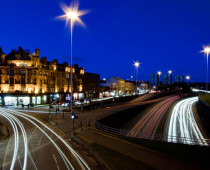
Autofocus is not always a reliable option when shooting certain photographs. There are certain situations that give reasons to turn off your autofocus: Contrast levels The camera’s autofocus finds it difficult to focus on plain surfaces and fine textures. This especially applies for cameras that use passive autofocus sytems, which look for contrast or light… Continue reading Reasons to Turn off Your Autofocus
How to Train your Photographic Eye to See Creatively
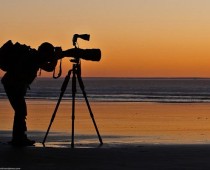
There are photographs that even to the untrained eye are mesmerizing. It does not take a genius or a photographic aficionado to discern that there is something appealing and deeply truthful contained in the image. The untrained eye may not instantly be able to quantify what makes a photograph great, but they can see that… Continue reading How to Train your Photographic Eye to See Creatively
How To Plan And Shoot A Long Term Photography Project

Choosing to undertake a long-term photography project is a clear indication of advanced photography skills and passion. This personal photography task not only calls for interest, but dedication as well. Long-term photography projects can take as long as five, fifteen, to even thirty years. Without dedication, such a project is doomed to fail. When considering… Continue reading How To Plan And Shoot A Long Term Photography Project
The Secrets of Photographing Sunbursts

What’s more fun and exciting to do when it’s bright and sunny outside than having a picnic, going to the beach, taking a dip into the pool and doing other fun outdoor activities? But for photographers a bright and sunny day is a perfect time to grab their cameras and shoot away. Whether it’s portraits,… Continue reading The Secrets of Photographing Sunbursts
Portrait Photography: Tips and Ideas on Choosing Backgrounds

Portrait Photography is one of the most common types of Photography. A good portrait isn’t just composed of a nice subject and good lighting. Sometimes photographers become so preoccupied with their subject that they tend to forget another important element that greatly affects the composition, and sometimes the other way around: they focus too much… Continue reading Portrait Photography: Tips and Ideas on Choosing Backgrounds
How to Crop in Post-Processing to Get the Most Out of Your Shot

When taking pictures, a general rule of thumb is to compose the shot in-camera with the intention of making it as near as how you would want it as the final output. However, when composing, it is ideal to leave a bit of space at the sides as leeway for cropping options. Getting close to… Continue reading How to Crop in Post-Processing to Get the Most Out of Your Shot